Curtain Cleaning in Modern Homes: Fresh, Healthy, and Beautiful Window Treatments
Why Curtain Cleaning Matters for Every Home

Curtains do far more than frame a window. They soften a room, add privacy, reduce glare, and contribute to the overall style of a home. Yet because they hang quietly in the background, curtain cleaning is often overlooked until dust, odors, and visible discoloration become hard to ignore. Regular curtain cleaning helps maintain a cleaner indoor environment, protects fabric quality, and keeps window treatments looking elegant for longer.
Whether your curtains are sheer, lined, blackout, velvet, linen, or cotton, they collect airborne particles every day. Dust, pollen, pet dander, cooking residue, and moisture can all settle into the fibers. Over time, these contaminants can dull the fabric and affect air quality. For households with allergies or respiratory sensitivities, curtain cleaning is especially valuable because fabric surfaces can trap irritants that circulate back into the room.
Another reason curtain cleaning matters is preservation. High-quality drapes and custom window coverings are an investment, and proper care extends their lifespan. Instead of replacing faded, musty, or damaged curtains, a thoughtful cleaning routine can restore appearance and maintain texture. Professional curtain cleaning and careful at-home maintenance both play important roles in keeping fabrics in excellent condition.
Common Problems Caused by Dirty Curtains
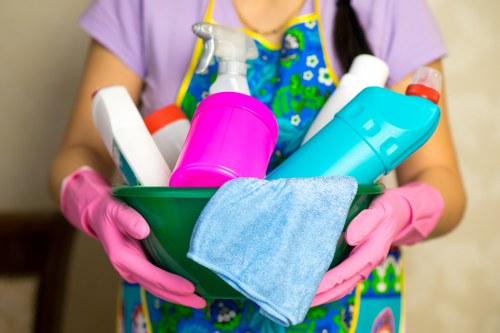
Many people do not realize how much grime curtains absorb until the damage becomes obvious. Dust buildup is the most common issue, but it is not the only one. In kitchens, curtains may pick up grease particles and cooking odors. In humid rooms, moisture can lead to mildew or a stale smell. In sunlit spaces, fabric may fade unevenly due to long-term UV exposure.
Dirty curtains can also affect the feeling of an entire room. Even if floors and furniture are spotless, dusty drapes can make a space appear neglected. This is especially true for light-colored fabrics, which tend to show smudges and discoloration sooner. Regular curtain cleaning helps preserve a fresh, polished appearance throughout the home.
Here are some common warning signs that your curtains need attention:
- A visible layer of dust along folds or hems
- Lingering odors after cooking or smoking
- Allergy symptoms that worsen indoors
- Dark spots, water marks, or mildew stains
- Fabric that looks dull, stiff, or faded
Types of Curtain Fabrics and Their Cleaning Needs

Not all curtains should be cleaned the same way. Fabric type, lining, embellishments, and construction all affect how curtain cleaning should be handled. A method that works for cotton sheers may ruin velvet or silk. That is why understanding the fabric is the first step toward safe and effective cleaning.
Cotton and polyester curtains are usually the easiest to clean. Many can be machine-washed or gently hand-washed, depending on the label. Linen curtains often require more careful treatment because they can shrink or wrinkle easily. Sheer curtains need delicate handling to prevent snags and tearing. On the other hand, heavier fabrics such as velvet or brocade often benefit from professional curtain cleaning because they can lose shape or texture if washed incorrectly.
Fabric labels and manufacturer instructions should always be checked before any cleaning begins. If the label says dry clean only, that recommendation is there for a reason. Ignoring it may lead to color bleeding, warping, or permanent damage. A good curtain cleaning approach respects the material and preserves the original finish.
Fabric considerations at a glance
- Cotton: durable, often washable, prone to wrinkles
- Polyester: low maintenance, usually easy to care for
- Linen: elegant but delicate, may require gentle cleaning
- Velvet: rich texture, best handled with professional methods
- Silk: luxurious and sensitive, usually needs expert care
How Often Should Curtain Cleaning Be Done?
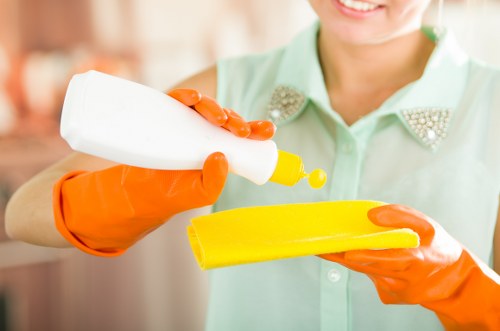
The right cleaning schedule depends on the room, fabric, and lifestyle of the household. In general, curtain cleaning should happen at least every six to twelve months. However, some homes need it more often. Kitchens, bathrooms, and homes with pets or smokers usually require more frequent attention because fabrics collect residue faster.
Light maintenance in between deep cleans can make a big difference. A weekly dusting with a microfiber cloth, upholstery brush, or vacuum attachment helps prevent buildup. This simple step reduces the need for aggressive washing later on and keeps fabric fresher day to day. Consistent care is easier and gentler than waiting for visible dirt.
Consider this basic schedule for curtain cleaning:
- Weekly: remove dust with a vacuum brush or duster
- Monthly: inspect for stains, odors, or moisture issues
- Every 6-12 months: deep clean based on fabric and room conditions
- Seasonally: clean more frequently in allergy-heavy periods
Homes in dusty climates or urban settings may need even more regular curtain cleaning. If windows are often open, airborne debris can settle quickly onto the fabric. Likewise, homes with children or active cooking routines may require a more proactive cleaning approach.
At-Home Curtain Cleaning Methods

Many curtain cleaning tasks can be handled at home with care and the right tools. The safest method depends on the material and construction. For washable curtains, removing them from the rod and cleaning them according to the care label is often enough to restore freshness. For non-washable fabrics, spot treatment and vacuuming may be the best options.
Before cleaning, always test a small hidden area if you are using a product for the first time. This helps prevent discoloration or fabric damage. It is also a good idea to shake curtains outside to remove loose dust before bringing them into a wash area. That small step can improve results and reduce mess.
Practical at-home curtain cleaning steps
- Vacuum curtains with a soft brush attachment
- Shake out dust outdoors before washing
- Pre-treat visible stains with a mild fabric-safe solution
- Wash delicate curtains in cool water if the label allows
- Air-dry to help prevent shrinkage and fabric stress
Important drying tip
Avoid high heat when drying curtains unless the fabric label specifically allows it. Heat can shrink natural fibers, distort pleats, and weaken adhesive linings. Air-drying or low-heat tumble drying is usually safer and helps preserve the drape of the fabric.
Professional Curtain Cleaning: When It Makes Sense
There are times when professional curtain cleaning is the smartest option. Heavy drapes, specialty fabrics, intricate pleats, thermal linings, and decorative trims can be difficult to clean correctly at home. A professional service has the knowledge and equipment to treat fabrics gently while removing dirt more thoroughly than routine vacuuming.
Professional curtain cleaning is also helpful when curtains are too large or cumbersome to manage safely. Removing and rehanging oversized panels can be challenging, especially in tall windows or multi-story homes. In such cases, an experienced cleaner can save time and reduce the risk of accidental tearing, shrinking, or hardware damage.
In addition, professional cleaning can address stubborn issues such as persistent odors, deep-set stains, and mold growth. Specialized solutions are often used to clean without oversaturating the fabric. For homeowners who want reliable results and minimal stress, booking expert curtain cleaning can be well worth it.
Benefits of professional service
- Safer care for delicate or expensive materials
- Better stain and odor removal
- Reduced chance of shrinkage or distortion
- Convenience for large or hard-to-remove curtains
- Extended lifespan for fabric and linings
Book your service now if your curtains have reached the point where home care is no longer enough.
Removing Stains, Odors, and Allergens
One of the most important benefits of curtain cleaning is the removal of unwanted contaminants. Stains from spills, pets, or splashes should be addressed as soon as possible before they settle into the fibers. Odors are another common concern, especially in rooms where cooking, smoking, or humidity is frequent. Allergens such as dust and pollen can also cling to fabric and trigger discomfort for sensitive occupants.
For spot treatment, use a gentle method suited to the fabric. Blot rather than rub, since rubbing can spread the stain and damage fibers. For odors, airing curtains outdoors on a dry day can help, but this works best for light refreshes rather than deep contamination. For persistent smells, a more thorough curtain cleaning process may be required.
Allergen control is a major reason many households maintain a regular curtain cleaning routine. Curtains act like soft filters, collecting particles from the air. While that may reduce some debris in the room, it also means the fabric must eventually be cleaned. This is especially useful in bedrooms, living rooms, and nurseries where cleaner indoor air is a priority.
Stain and odor prevention tips
- Keep windows clean to reduce dust transfer
- Avoid smoking indoors near fabric treatments
- Use range hoods or ventilation in kitchens
- Address spills immediately with a fabric-safe method
- Wash or vacuum curtains before odors become embedded
Curtain Cleaning and Home Hygiene
Clean curtains contribute to a cleaner overall home. They may not be the first thing people notice, but they affect how fresh a room feels. When fabric is free from dust and odors, the space appears brighter and more inviting. This is especially valuable in homes that prioritize minimalism, wellness, or regular housekeeping.
Curtain cleaning also supports the broader hygiene routine of the household. While floors, counters, and bathrooms often receive most of the attention, fabrics should not be ignored. Drapes, cushions, upholstered furniture, and rugs can all hold dust and allergens. A balanced cleaning routine treats the room as a whole rather than focusing only on hard surfaces.
Healthy homes are built on consistency. When curtain cleaning becomes part of your regular maintenance plan, your living space benefits in ways that are both visible and subtle. The room smells fresher, looks brighter, and feels more comfortable for everyone inside.
Seasonal Curtain Cleaning and Maintenance
Changing seasons can affect how often curtain cleaning is needed. In spring, pollen levels rise and can settle into fabrics near open windows. In summer, humidity can encourage musty odors or mildew in poorly ventilated spaces. Autumn and winter bring different challenges, including closed-window dust buildup and indoor heating that circulates particles through the home.
Seasonal maintenance is an excellent way to stay ahead of these changes. Washing or deep cleaning curtains at the start of each season can refresh the home and make the cleaning routine easier to manage. If the fabric is too delicate for frequent washing, vacuuming and airing out the curtains can still help maintain freshness between deep cleans.
Seasonal curtain cleaning is especially useful if your home experiences distinct weather shifts. A spring refresh and an autumn clean can help prepare the fabric for allergy seasons and higher indoor use. This simple habit can make a noticeable difference in the look and comfort of a room.
Seasonal upkeep checklist
- Inspect for fading after strong sunlight exposure
- Check for moisture damage during humid months
- Remove pollen in spring with regular vacuuming
- Freshen fabrics before holiday gatherings
- Repair hems, hooks, or linings as needed
How to Keep Curtains Cleaner for Longer
Good habits can reduce the need for frequent deep curtain cleaning. Prevention is often easier than restoration, and a few simple practices can protect your drapes from unnecessary wear. Start by keeping windows, vents, and surrounding surfaces clean so less dust reaches the fabric. Regular vacuuming is another important step, especially in rooms with high traffic.
Another helpful habit is to open and close curtains carefully. Tugging too hard can strain seams, hooks, and fabric. If the curtains are lined or pleated, gentle handling helps preserve the shape. Also, if your home has pets, brushing them regularly can reduce the amount of hair and dander that ends up on the fabric.
Using these small habits consistently can greatly reduce buildup and preserve the quality of your window treatments. In the long run, better maintenance means better appearance, fewer repairs, and less frequent replacement.
Simple habits that help
- Dust nearby surfaces regularly
- Keep curtains away from cooking splatter when possible
- Use proper ventilation in damp areas
- Vacuum fabric folds and hems gently
- Schedule periodic curtain cleaning before problems grow
Choosing the Right Curtain Cleaning Approach
The best curtain cleaning method depends on your fabric, household needs, and available time. Washable materials may be suitable for home laundering, while more delicate textiles should be handled with extra care. If you are unsure, it is wise to start with the care label and then assess the fabric condition before deciding how to proceed.
For many households, the best strategy combines routine at-home dust removal with occasional professional curtain cleaning. That balance keeps curtains fresh without overhandling them. It is a practical approach that works for busy families, pet owners, allergy-sensitive households, and anyone who wants their interiors to feel polished.
If you are preparing for an event, noticing a buildup of dust, or simply wanting a cleaner home atmosphere, now is a great time to act. Contact us today and take the next step toward cleaner, brighter, better-looking curtains. Book your service now to refresh your space with expert curtain cleaning that supports both beauty and hygiene.
Final Thoughts on Curtain Cleaning in Everyday Living
Curtain cleaning is one of those maintenance tasks that can transform a room without drawing attention to itself. Clean curtains improve indoor appearance, reduce allergens, minimize odors, and help protect fabric investments. They also support a more comfortable and welcoming home environment, which is something every household can appreciate.
When done regularly and correctly, curtain cleaning becomes a simple but powerful part of home care. By choosing the right method for each fabric, staying consistent with upkeep, and knowing when to bring in professional help, you can keep your curtains looking their best year-round. That means fresher rooms, longer-lasting fabrics, and a more pleasant living space overall.
Whether your goal is better air quality, improved style, or easier maintenance, curtain cleaning delivers real value. Make it part of your routine, and your home will reflect the difference every day.